“Do I Really Have to Ask Again?”: Playing the Long Game of Raising Responsible Kids
Every once in a while, you get to truly relish the fruits of your labour as a parent – a small moment demonstrates that your countless investments of time and effort have actually paid off.
This week, my son went to take his bowl to the sink after breakfast... without a reminder.
As he lifted it off the table, I told the whole family to pause and look. I playfully invited them to join me in a comical ‘slow clap’ celebrating this moment.
It’s not even that he’s never done it before. It’s that supporting my kids to learn to take dishes to the sink has been an area I’ve consciously been working on. There have been so many frustrations along the way but this moment represented seeing the light at the end of a long, long tunnel.
No doubt you’re familiar with the tunnel I’m talking about…
You’ve asked them to take their bowl to the sink.
Once.
Twice.
Three times… maybe more.
It’s still sitting there.
And you can feel it building — that familiar mix of frustration and disbelief.
How many times do I have to say this?
You glance at the clock. You’re already running late. The temptation creeps in:
I’ll just do it myself.
It’s faster. Easier. Done.
But underneath that moment is a quiet tension many parents carry:
If I do it for them, how will they ever learn?
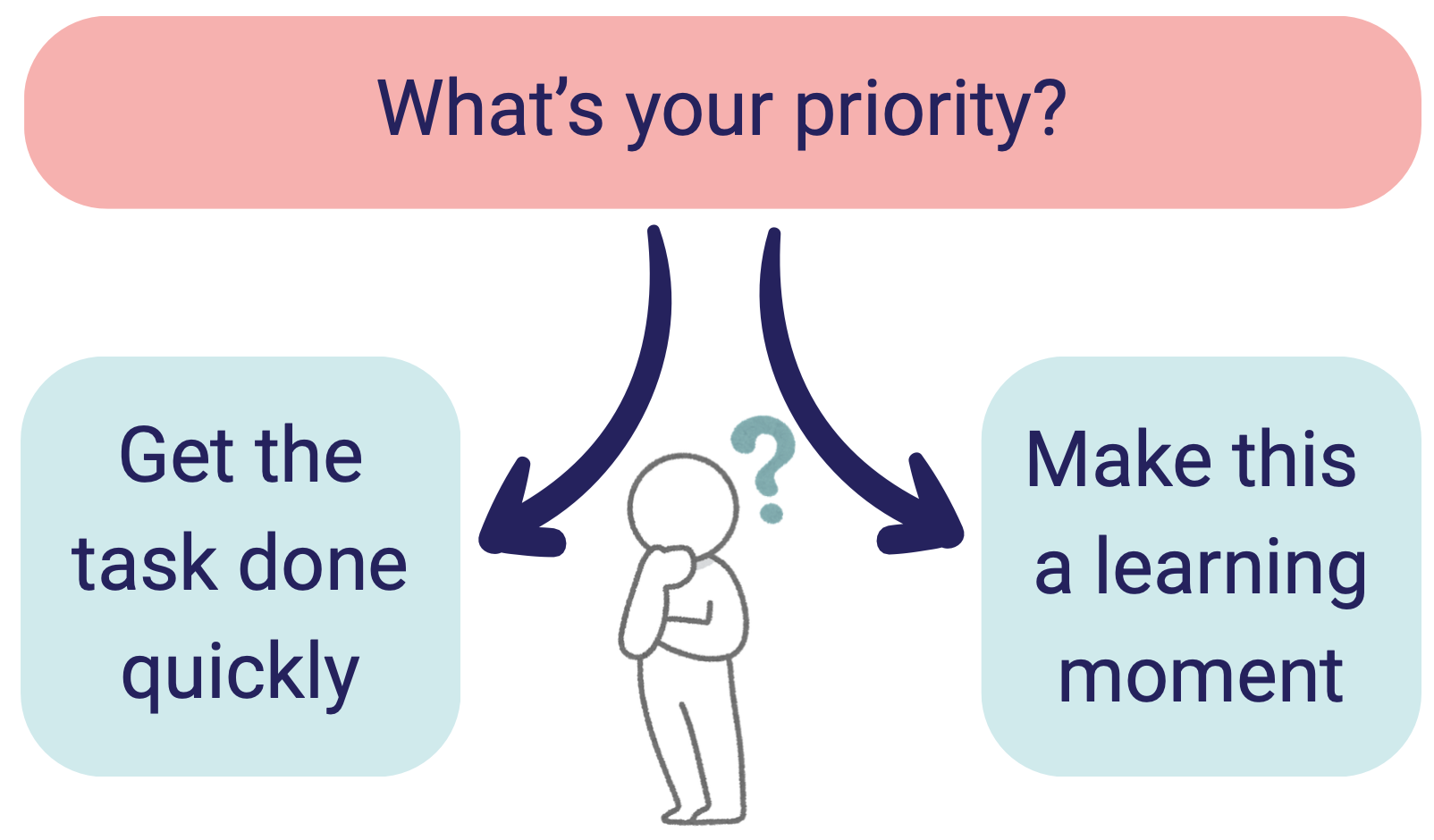
Each of these moments creates a choice point. Each unfulfilled instruction invites us to work out our priority – do we want the task done quickly or do we want to use this moment to help shape a life skill (slowly but surely)?
There’s no right or wrong here. Sometimes there’s a real need for speed. But other times, we need to be prepared to play the long game.
Why Responsibility Takes Time (And So Much Repetition)
One of the biggest sources of frustration for parents is the gap between what we expect our kids to do… and what they can actually do consistently.
It can feel like:
“They know this already.”
“Why do I still have to remind them?”
But here’s what’s often happening beneath the surface:
Children aren’t wired for independence yet.
Skills like remembering, planning, following through, and completing tasks without prompts all rely on developing executive functioning — and that takes time.
A lot of time.
What feels like something they should be doing automatically often isn’t automatic at all.
Their brain still needs your support to bridge the gap between knowing and doing.
In the meantime, you are their coach – but that can’t mean running onto the field each time and playing the ball for them.
The Trap: “It’s Just Faster If I Do It Myself”
This shows up everywhere:
- Packing the school bag
- Tidying toys
- Putting shoes on
- Finishing tasks they’ve started (and abandoned)
And to be fair — most of the time, it is faster for you to do it yourself.
So when you’re under pressure, it can feel like the most logical choice.
But there’s a hidden cost.
Every time you step in and take over:
- You delay the learning
- You reinforce dependence (without meaning to)
- You increase your own load long-term
It’s a short-term win… with a long-term price.
So take the shortcut when you really need it and be strategic about the moments you choose to invest in the future – as slow and painful as they can be in the here and now.
The Shift: From Getting It Done → Teaching It Over Time
What if the goal wasn’t just:
“We need to get out the door.”
But instead:
“I’m helping my child learn how to get themselves ready.”
It’s a subtle shift — but a powerful one.
Because when you view these moments through a teaching lens, the repetition starts to make more sense.
You’re not just managing behaviour — you’re building capability.
And capability is built slowly, through supported practice.
Learning is rarely linear. Often, it’s messy, slow and repetitive. That’s why it can feel like 3 steps forward, 2 steps back.
Supporting Responsibility Without Burning Out
As a parent, you already have so much on your plate. So, you need to be strategic.
You need to work out when and how to support your child’s learning – while at the same time considering how to best protect your energy.
After all, patience isn’t just a skill — it’s a resource.
And when you’re already stretched, that resource runs thin.
Here are some ideas to support you in effectively teaching your kids responsibility:
1. Expect the repetition
When you anticipate needing to remind, it softens the frustration when it happens.
2. Use scaffolding tools
Visual charts or step-by-step checklists can provide a stepping stone as children learn to internalise and automate their routines.
3. Pause and clarify your priority
Ask yourself:
“Is the priority speed or am I able to use this as a learning moment – even if it takes longer?”
4. Focus on one area at a time
Which aspect of the routine are you hoping to support your child to work on first?
5. Hold the boundary gently
Rather than stepping in, hold the expectation without escalating. Breathe slowly through the waiting.
6. Offer support without taking over
“I’m here if you need help getting started”or “How can I support you to get it done?”
7. Use play to keep reminders light
Rather than criticizing or lecturing, give your child a playful smile and ask: “are you forgetting something?”
8. Name progress (not perfection)
“You remembered your shoes without me asking — that’s progress.”
The Long Game
Responsibility isn’t built in one morning.
It’s built in hundreds of small moments where:
- You pause instead of rushing in
- You remind instead of taking over
- You stay steady instead of escalating
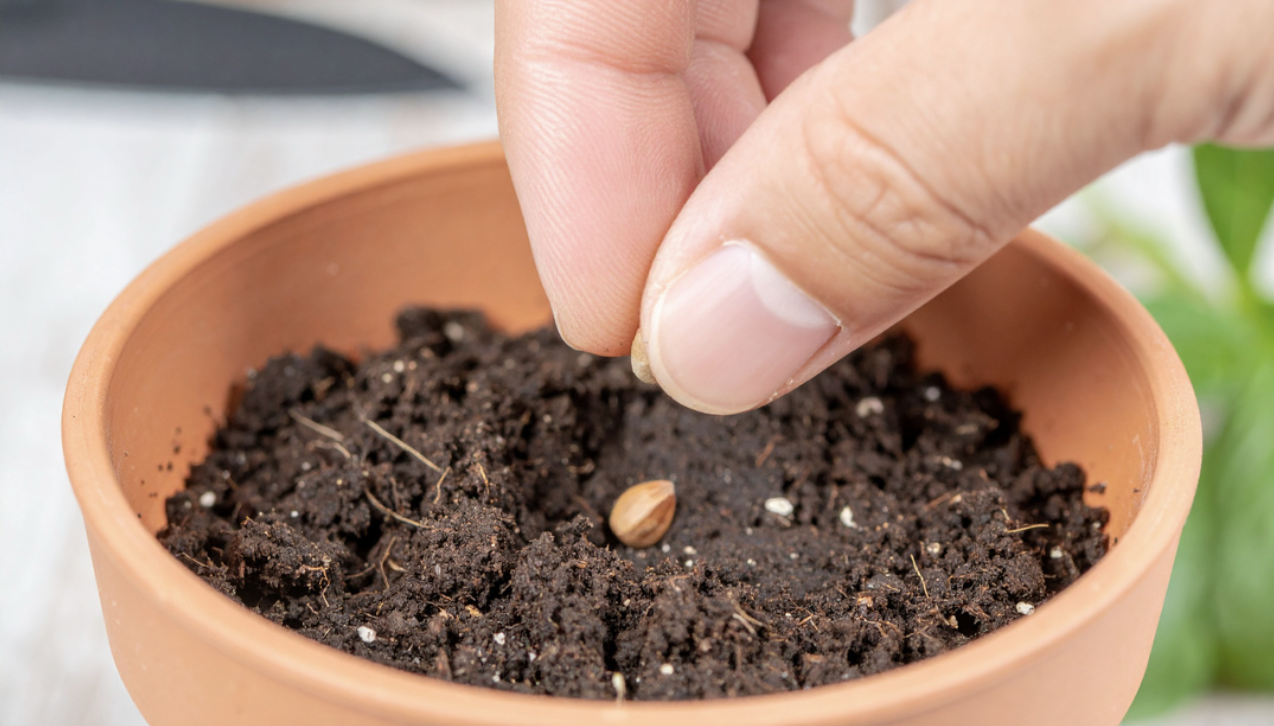
Think of it like planting seeds.
You don’t see growth straight away.
But over time — with enough consistency — something takes root.
And one day, seemingly out of nowhere…
They take their bowl to the sink.
They pack their bag.
They do the thing.
And you realise… All those reminders were doing something after all!
Does that mean they’ll necessarily do it next time? Sadly not. Even as parents we have to admit, we don’t get it right all the time.
But I hope you can start celebrating your child’s little wins along the road to responsibility.
Perhaps like in my house this morning, you’ll soon have your child playfully invite everyone to ‘slow clap’ them as they take their bowl to the sink (once again without being reminded!) It’s all about these little fist pump moments!

It’s your turn
In what area would you like to support your child to learn more responsibility?
Where could you step back — just a little — even if it slows things down?
You get to choose which seeds you plant first – keeping the long game in mind.
Want More Support?
If this pattern shows up most in your mornings — when time pressure is high and patience is low — you’re not alone.
I’ve created a free Calmer Mornings Guide to help you move from chaos and constant reminders to steadier, more confident leadership during the morning routine.

Or, if you’d like personalised support, you can book a free 15-minute call to explore how to build your child’s independence without burning yourself out.
Because leading your family sometimes involves taking a slower road today but one that actually takes you where you want to go.


